VRD Chemistry

Tuesday, 29 March 2011

What happens when alkali metals come into contact with water?


Posted by V RAMDAS at 11:03 No comments:
Email ThisBlogThis!Share to XShare to FacebookShare to Pinterest

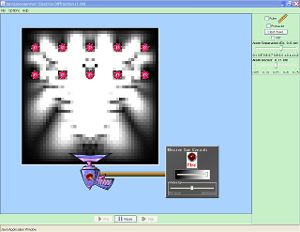
Electrons can behave as waves

Davisson-Germer: Electron Diffraction
Click to Run
Posted by V RAMDAS at 10:55 No comments:
Email ThisBlogThis!Share to XShare to FacebookShare to Pinterest

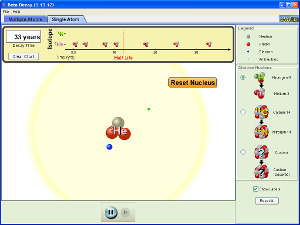
Beta Decay

Beta Decay
Click to Run
Posted by V RAMDAS at 10:54 No comments:
Email ThisBlogThis!Share to XShare to FacebookShare to Pinterest

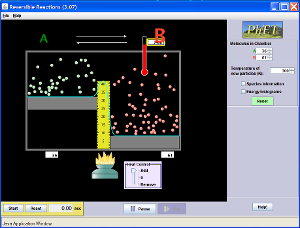
Reversible Reactions

Reversible Reactions
Click to Run
Posted by V RAMDAS at 10:51 No comments:
Email ThisBlogThis!Share to XShare to FacebookShare to Pinterest

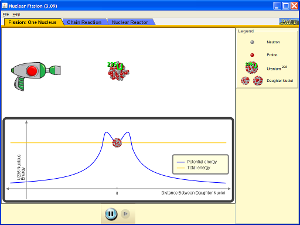
Nuclear Fission

Nuclear Fission
Click to Run
Posted by V RAMDAS at 10:49 No comments:
Email ThisBlogThis!Share to XShare to FacebookShare to Pinterest

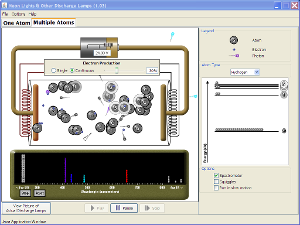
How light is produced when atoms are bombarded with electrons ?

Neon Lights & Other Discharge Lamps
Click to Run
Posted by V RAMDAS at 10:49 No comments:
Email ThisBlogThis!Share to XShare to FacebookShare to Pinterest

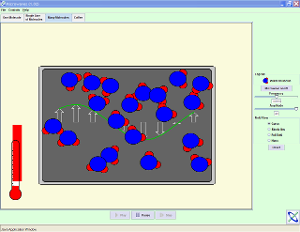
Microwaves

Microwaves
Click to Run
Posted by V RAMDAS at 10:46 No comments:
Email ThisBlogThis!Share to XShare to FacebookShare to Pinterest
Older Posts Home
Subscribe to: Posts (Atom)

Followers

Blog Archive

  • ▼  2011 (100)
    • ▼  March (73)
      • What happens when alkali metals come into contact ...
      • Electrons can behave as waves
      • Beta Decay
      • Reversible Reactions
      • Nuclear Fission
      • How light is produced when atoms are bombarded wi...
      • Microwaves
      • Static Electricity
      • DISSOLUTION OF DIFFERENT SALTS IN WATER
      • Kinetics of chemical reactions
      • States of Matter
      • How did Rutherford find out the structure of the a...
      • Photoelectric Effect
      • pH
      • Interaction of light with molecules in our atmosphere
      • How did scientists find out the structure of atoms...
      • The Greenhouse Effect
      • Build an atom out of protons, neutrons, and electrons
      • Radioactive alpha decay
      • How do strong and weak acids differ?
      • KIDS MATHEMATICS - NUMBER SYSTEM
      • KIDS MATHEMATICS - MULTIPLICATION
      • KIDS MATHEMATICS - SUBTRACTION
      • KIDS MATHEMATICS - ADDITION
      • SCIENCE FOR CHILDREN - CHANGING CIRCUITS
      • SCIENCE FOR CHILDREN - HOW WE SEE THINGS
      • SCIENCE FOR CHILDREN - FORCES IN ACTION
      • SCIENCE FOR CHILDREN - REVERSIBLE AND IRREVERSIBLE...
      • SCIENCE FOR CHILDREN - MICROORGANISMS
      • SCIENCE FOR CHILDREN - FOOD CHAINS
      • SCIENCE FOR CHILDREN - EARTH, SUN AND MOON
      • SCIENCE FOR CHILDREN - CHANGING SOUNDS
      • SCIENCE FOR CHILDREN - CHANGING STATE
      • SCIENCE FOR CHILDREN - KEEPING HEALTHY
      • SCIENCE FOR CHILDREN - LIFE CYCLES
      • SCIENCE FOR CHILDREN - FRICTION
      • SCIENCE FOR CHILDREN - CIRCUITS AND CONDUCTORS
      • SCIENCE FOR CHILDREN - SOLIDS AND LIQUIDS
      • SCIENCE FOR CHILDREN - KEEPING WARM
      • SCIENCE FOR CHILDREN - MOVING AND GROWING
      • JUST FOR KIDS - LIGHT AND SHADOWS
      • JUST FOR KIDS - MAGNETS AND SPRINGS
      • JUST FOR KIDS - CHARACTERISTICS OF MATERIALS
      • JUST FOR KIDS - ROCKS AND SOILS
      • JUST FOR KIDS - HELPING PLANTS GROW WELL
      • JUST FOR KIDS - TEETH AND EATING
      • Sulphuric acid - A dehydrating agent
      • Zn + Sulphuric acid
      • REACTION OF Cu WITH ACIDS OF DIFFERENT CONCENTRATIONS
      • AMINO ACIDS AND PROTEIN
      • LEWIS ACID - BASE THEORY
      • SYNTHESIS OF NYLON - 610
      • NATURAL INDICATORS
      • HEATING Cu STRIP IN BUNSEN FLAME
      • CENTRIFUGATION
      • Le Chatelier's Principle
      • COPPER (II) NITRATE + AMMONIUM HYDROXIDE
      • CADMIUM NITRATE + SODIUM SULPHIDE
      • Cu TO CuO (OXIDATION) AND CuO TO Cu (REDUCTION)
      • REACTION OF Mg WITH ACIDS OF DIFFERENT CONCENTRATIONS
      • COMBUSTION OF MAGNESIUM
      • ELECTROLYSIS OF WATER
      • DISSOLUTION OF MAGNESIUM HYDROXIDE
      • GLYCERINE + POTASSIUM PERMANGANATE
      • HOT GLASS - DANGEROUS
      • WHITE PHOSPHORUS - REACTIVE
      • Cu + Different concentrations of Hydrochloric acid...
      • SOLVAY CONFERENCE-1927
      • Na + Chlorine gas + Water
      • ARTIFICIAL VOLCANO
      • Zn + Iodine + Water
      • Al + NaOH + Water
      • Some important points for last minute revision(Cla...
    • ►  February (27)

About Me

My photo
V RAMDAS
View my complete profile
VRD. Picture Window theme. Powered by Blogger.